
side hustle has its launch event at The Horse Hospital, presenting a live exhibition featuring Jack Warne, Millie Chen and Pai'an Chen
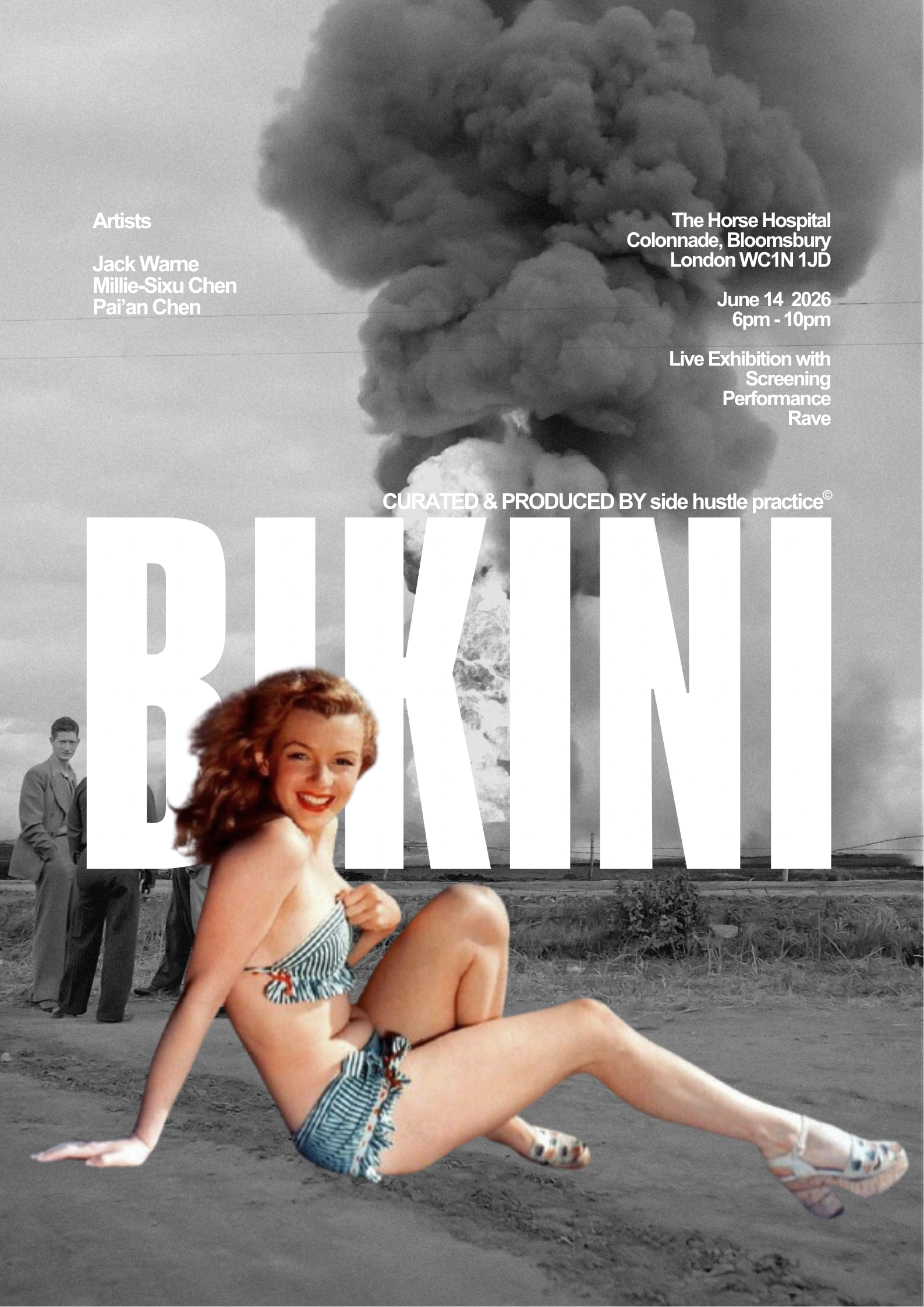
Doors 5:30pm
Tickets: £0-8 (Donation based)
Most of us have never witnessed a nuclear explosion firsthand. We have never stood beneath the rising mushroom cloud, truly experiencing its blinding light, unbearable heat, violent shockwaves, and the silence that follows. Yet the image of the mushroom cloud remains strangely familiar to us. Despite never having lived through such an event, we often believe we already understand it. We fear it, yet cannot deny the sublime spectacle of its form unfolding across the sky.
Through films, animation, news broadcasts, novels, video games, and countless reproduced images, we continuously learn how to imagine, recognise, and remember the mushroom cloud. Over time, it has ceased to exist merely as a historical event and has instead become a form of collective memory constructed through contemporary technologies and media infrastructures. Our memory of the mushroom cloud is itself a mediated memory — one produced through the endless circulation of images and narratives.
Between 1946 and 1958, the United States conducted a series of nuclear tests on Bikini Atoll in the Marshall Islands. In the same year that the first post-war nuclear tests were carried out there, French designer Louis Réard introduced the modern bikini swimsuit and named it after the atoll. He believed that the radically revealing garment would generate a social shock comparable to that of a nuclear explosion.
The connection is almost absurd. A word now associated with sunshine, beaches, tourism, leisure, and desire originates from a history of military violence, colonial occupation, environmental devastation, and nuclear contamination. It is precisely through this absurdity that the striking affinity between the bikini and the mushroom cloud emerges. They share a common origin, yet have been reproduced into images, symbols, and cultural signifiers that now point toward entirely different realities.
It is from this absurdity that side hustle practice extracts its conceptual framework — both as the theme of this event and as an experiment in curatorial methodology, cultural production, and forms of connection. We are interested in the multiple possibilities concealed behind established meanings, and in the unexpected commonalities that emerge between seemingly unrelated signs. Through alternative forms of translation and interpretation, we seek to establish new modes of perception between artworks, emotions, and lived realities.
This project is also a test: a test of our own capacity to work alongside artists; a test of whether more intimate and emotionally resonant relationships between artists and audiences remain possible; and a test of whether a small, non-institutional cultural collective can still construct its own cultural context through humour, vulnerability, research, and experimentation.
Returning to the exhibition itself, Bikini does not attempt to resolve these contradictions. Rather, it uses the bikini as a point of entry into a constellation of questions surrounding images, memory, bodies, and technology.
The artists presented here are concerned with how images are continually reconstructed through contemporary media; how memory is reshaped through processes of reproduction; and how experiences we have never directly lived through can nonetheless enter our consciousness more deeply than many events we have actually experienced. Within this framework, the works of Jack Warne, Chen Paian, and Millie Chen do not treat memory as a stable record, but as a fragile and mutable condition—one continuously rewritten by emotion, technology, and systems of representation.
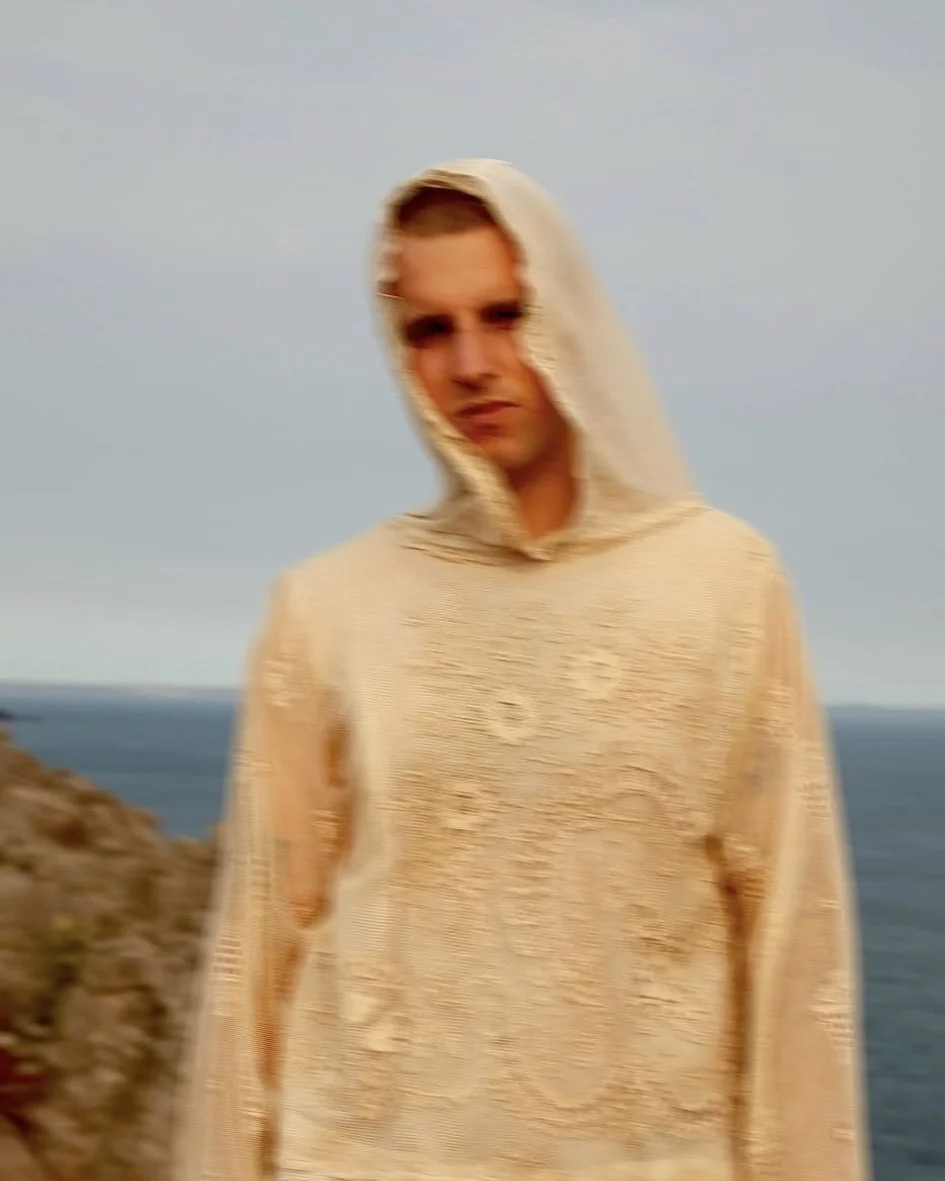
Jack Warne’s practice navigates the unstable territory between memory and technological mediation. Through moving image, sound, industrial forms of image-making, and augmented reality, he repeatedly asks: if technology increasingly remembers on our behalf, does memory itself gradually become a form of simulation? Within his work, glitches, compression artefacts, rendering failures, and visual residues cease to be technical errors and instead become the very structure through which emotion is experienced.
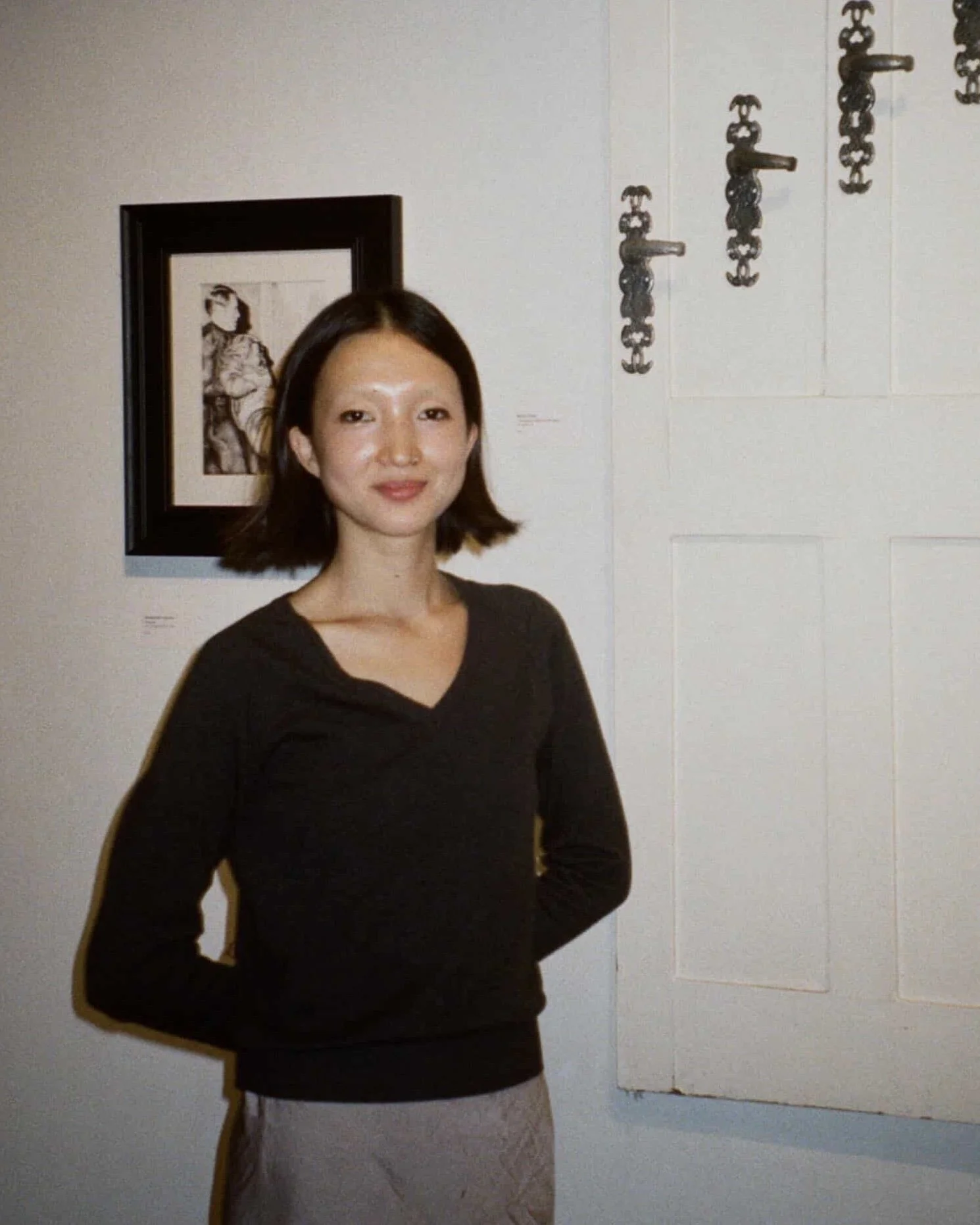
Millie Chen’s practice focuses on the ways bodies carry emotion, labour, migration, and intergenerational trauma. Working across performance, installation, and the transformation of everyday materials, she reveals the fragile boundary between intimacy and alienation. Her works often emerge from personal experience, family structures, care labour, and bodily politics, transforming subtle, quiet, and almost invisible emotional traces into spaces charged with psychological weight and tension.
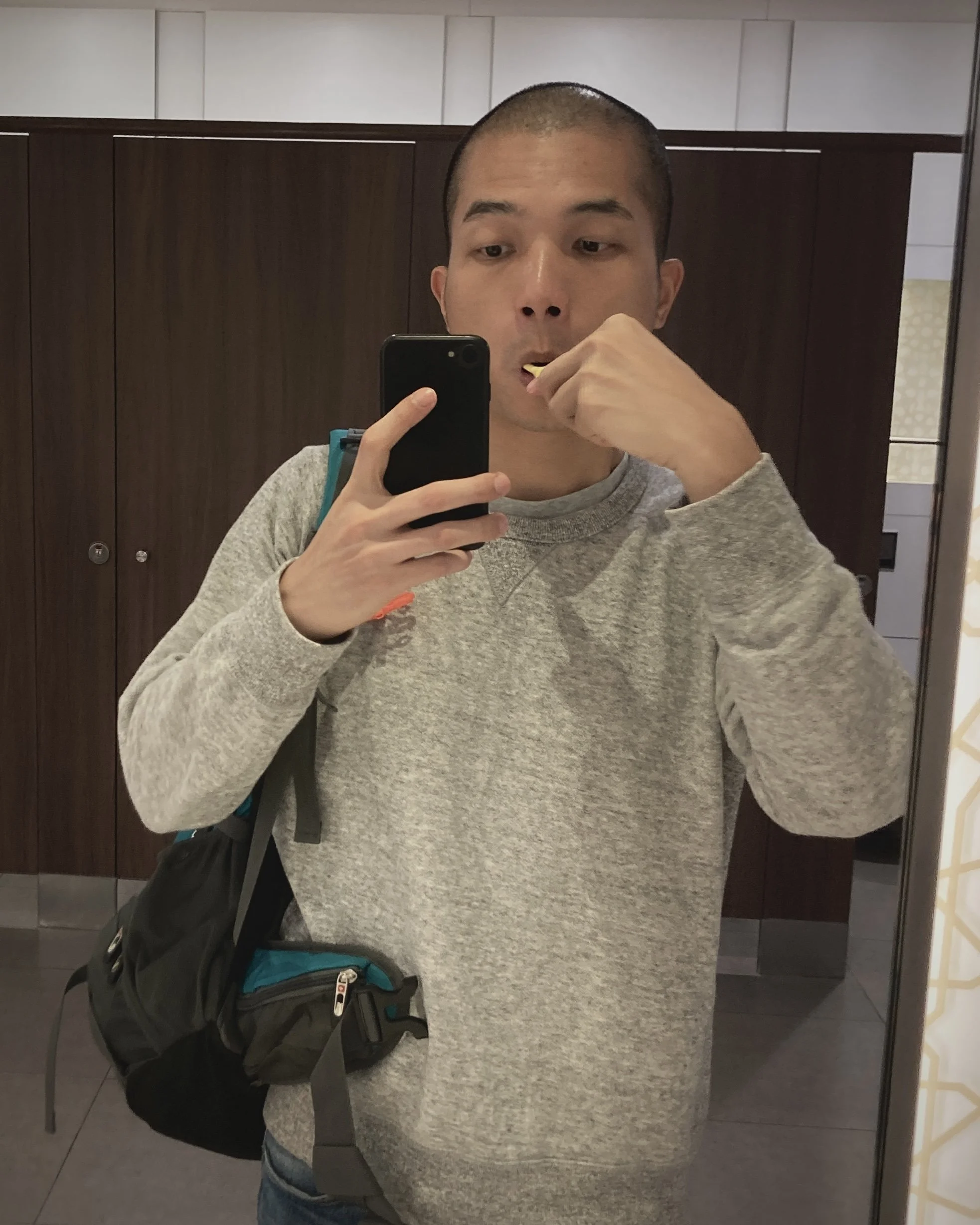
Chen Paian’s works often resemble memories that have been unconsciously reproduced—fragments of déjà vu, recollections detached from their origins, or images assembled through processes of forgetting. Everything appears strangely familiar, yet narrative certainty remains absent. Drawing from advertising, photography, and contemporary image culture, he constructs spaces that viewers feel they recognise but struggle to fully locate. In the age of artificial intelligence, these images acquire an uncanny quality: they seem less like worlds experienced by humans than worlds already processed, interpreted, and reconstructed by systems of representation.