
Two historians investigate neglected worlds of the city's social history
Doors: 7pm.
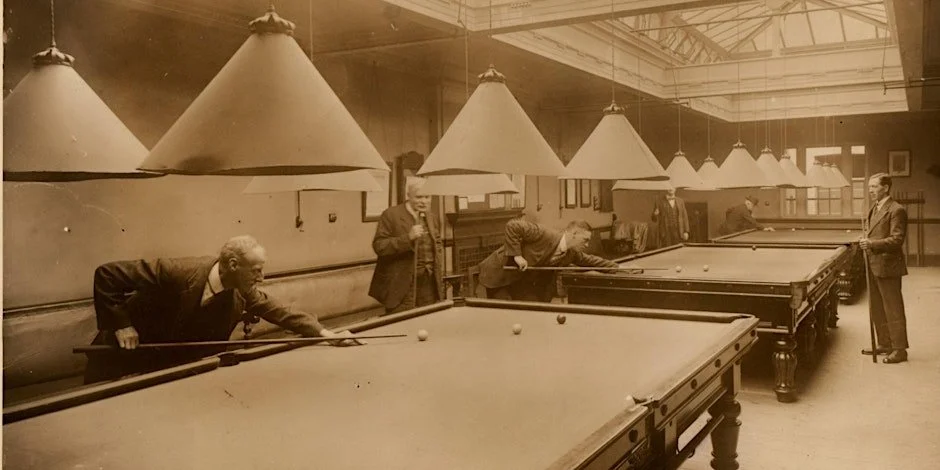
Dr RUTH CHERRINGTON takes us on a tour through the history of Working Men’s Clubs from the 19th Century to today, focusing on those in the capital and their importance, not only for entertainment but for social life and community. Ruth grew up with a Working Men’s Club just across the street, which her own family and hundreds of others used regularly.
Through that personal experience and deep research, she has brought to light the contribution the clubs have made, not just to members and their families but to the wider culture. She traces how their popularity led to a huge expansion in the 20th century, discusses their subsequent decline and outlines the current challenges and opportunities facing those that remain.
---
Meanwhile, Dr MARGARET WILES takes us on a tour through the history of London's working-class gardens. Britain has been described as a nation of gardeners, and those living in and around the capital are no exception. For centuries, the pressure on space, especially in the centre of the city, has been intense, but London’s population has had to be fed, so that market gardens were always vital. For recreation, a tiny yard or a window box might suffice. But communal gardens and allotments became - and remain - an important source of both produce and enjoyment.
From what has been a neglected area of gardening history, Margaret tells stories of an 18th-century market garden in Bethnal Green, the habits of Spitalfields silk weavers growing plants at home and the allotments of The Great Dust Heap at Kings Cross.
CRUTH CHERRINGTON is the author of “Not Just Beer and Bingo! A social history of Working Men’s Clubs, and The Dirty Stop Outs Guide to Coventry’s Working Men’s Clubs. She is the acknowledged expert on Clubs and a regular media commentator on the subject,
MARGARET WILES turned to writing books on retirement. Her Gardens of the British Working Class was published in 2014 by Yale University Press and was recently chosen as one of their most important titles.
Described by The Guardian as ‘one of the country’s finest pop culture historians’, Travis Elborough has been charting the soul of London for over two decades.
His many books include The Long-Player Goodbye, The Bus We Loved, The Atlas of Improbable Places, and the widely acclaimed A Walk in the Park: The Life and Times of a People’s Institution – a definitive history of Britain’s public parks.