
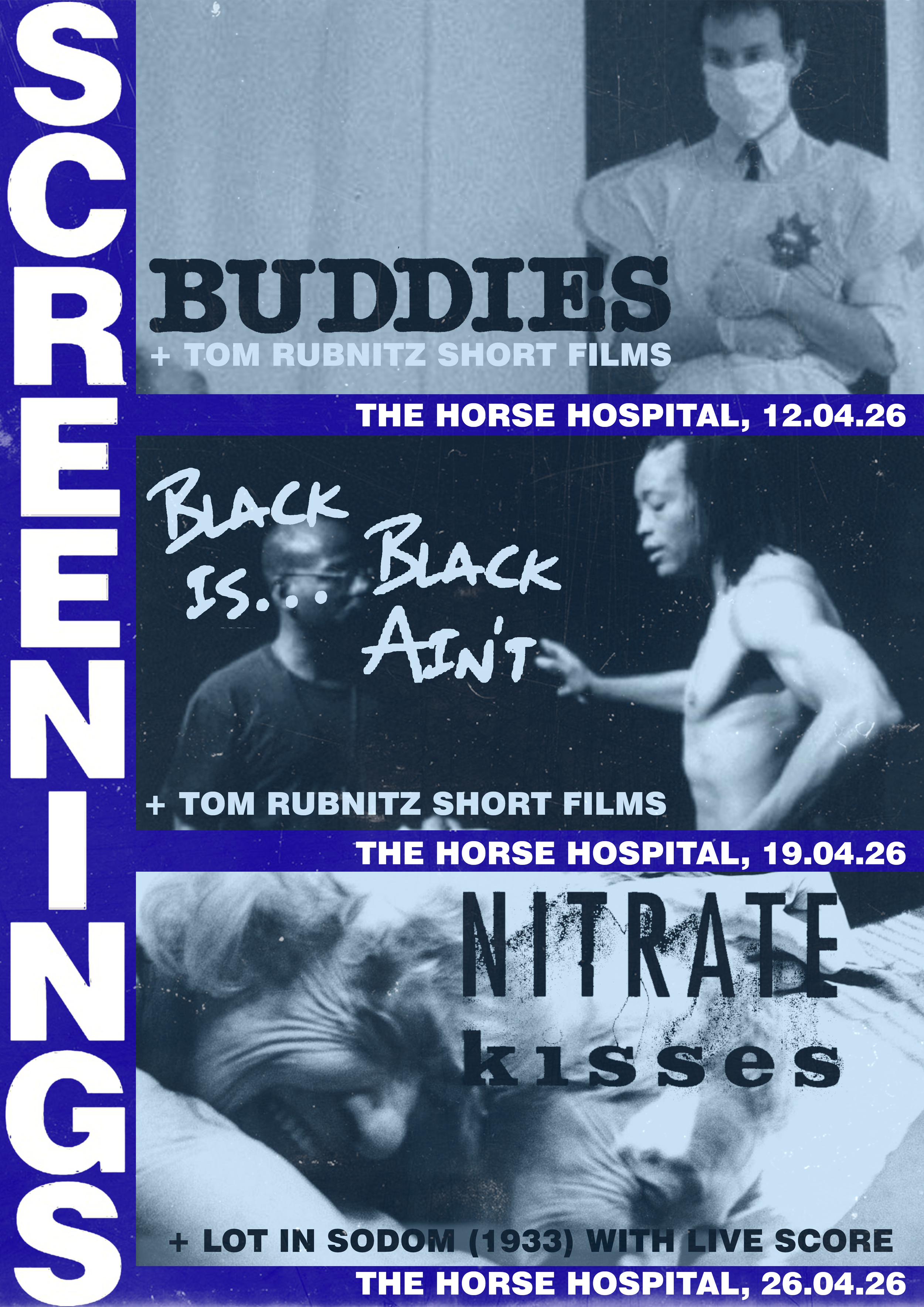
A series of afternoon underground queer cinema at The Horse Hospital. Black is… Black Ain’t (1995) is the final film of director Marlon Riggs. His camera traverses the country, bringing us face to face with Black folks young and old, rich and poor, rural and urban, gay and straight, grappling with the paradox of numerous, often contested definitions of Blackness. Hooked up to an IV in his hospital bed, Riggs takes strength for his struggle against AIDS from the continual resilience of the African Americans in the face of overwhelming oppression. The screening is proceeded by a selection of shorts by video artist Tom Rubnitz.
Doors 1pm, Screening 1:30pm
Tickets £8-10, NOTAFLOF
Series Pass: £15 (three weeks)
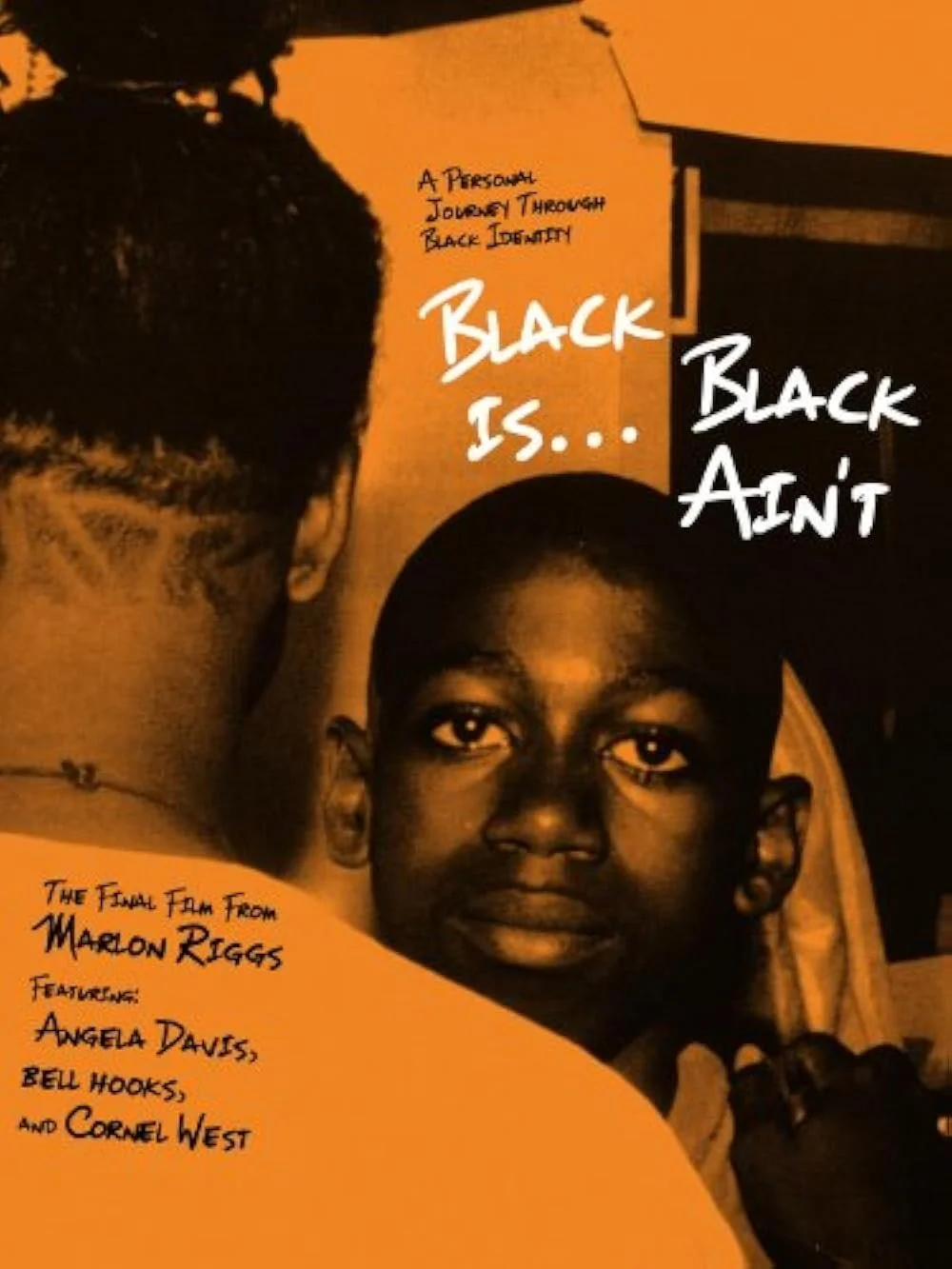
The final film by filmmaker Marlon Riggs, Black Is...Black Ain't, jumps into the middle of explosive debates over Black identity.
White Americans have always stereotyped African Americans. But the rigid definitions of "Blackness" that African Americans impose on each other, Riggs claims, have also been devastating. Is there an essential Black identity? Is there a litmus test defining the real Black man and true Black woman?
Riggs uses his grandmother's gumbo as a metaphor for the rich diversity of Black identities. His camera traverses the country, bringing us face to face with Black folks young and old, rich and poor, rural and urban, gay and straight, grappling with the paradox of numerous, often contested definitions of Blackness. Riggs mixes performances by choreographer Bill T. Jones and poet Essex Hemphill with commentary by noted cultural critics Angela Davis, Bell Hooks, Cornel West, Michele Wallace, Barbara Smith and Maulana Karenga to create a flavorful stew of personal testimony, music, and history.
While Black Is...Black Ain't rejoices in Black diversity, many speakers bare their pain at having been silenced or excluded because they were perceived as "not Black enough" or conversely "too Black." Black Is...Black Ain't marshals a powerful critique of sexism, patriarchy, homophobia, colorism and cultural nationalism in the Black family, church and other Black institutions. Cornel West concludes, "We've got to conceive of new forms of community. We each have multiple identities and we're moving in and out of various communities at the same time. There is no one grand Black community."
Riggs' own urgent quest for self-definition and community, as a Black gay man dying from AIDS, ties the multiple perspectives together. Hooked up to an IV in his hospital bed, Riggs takes strength for his struggle against AIDS from the continual resilience of the African Americans in the face of overwhelming oppression. As his death nears, he conjures up the image of a Black community nurturing and celebrating the difference and creativity in each one of us.
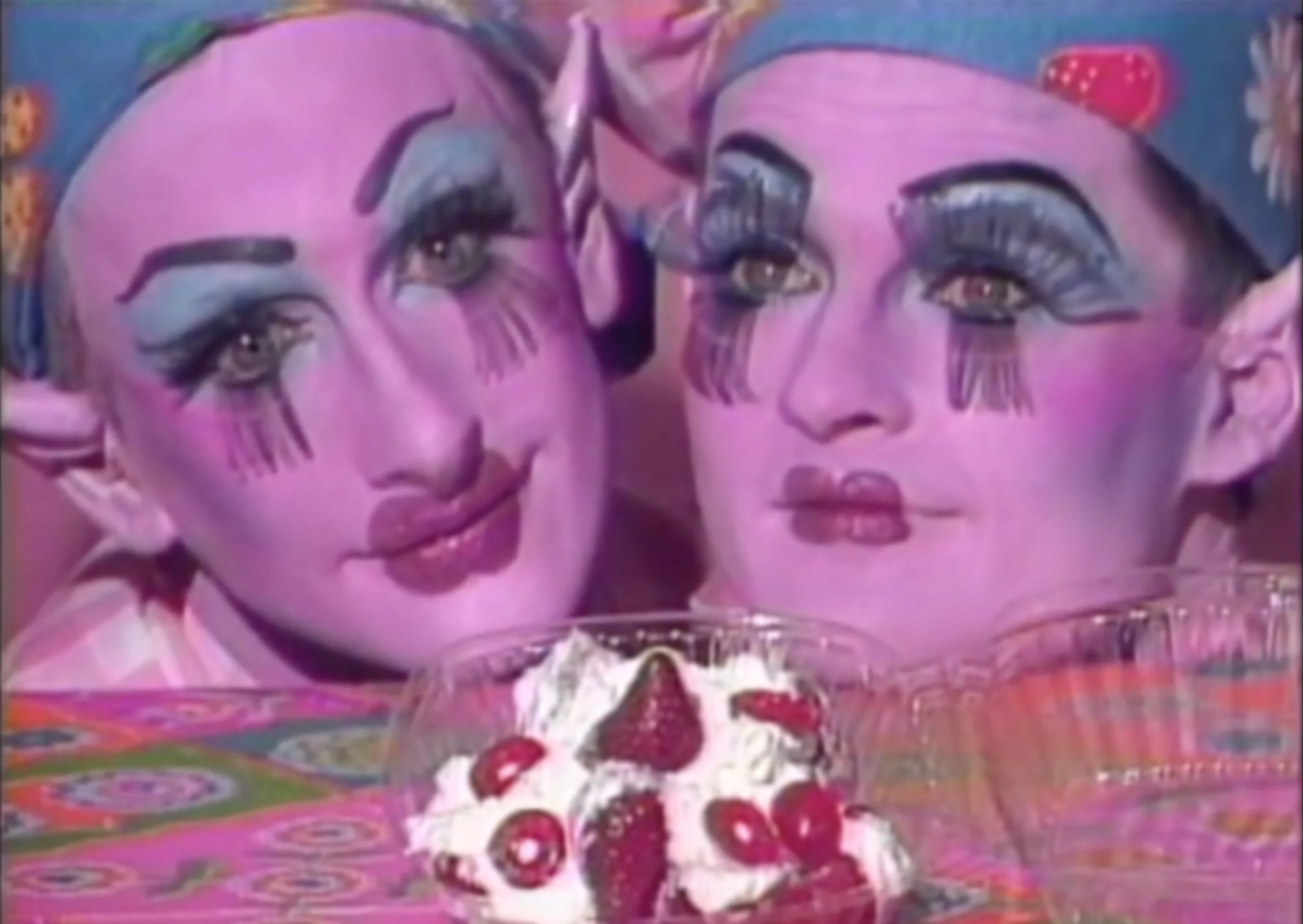
Over the course of the 1980s and up until his untimely death from HIV/AIDS related complications in 1992, Tom Rubnitz captured the personalities and energy of the East Village scene in his loony, anarchic, and hallucigenically-colored short videos. Screwball TV broadcasts from an alternate reality, these videos take the form of cooking shows, music videos, or kids shows, featuring downtown artists like Ann Magnuson, and drag legends-in-the-making RuPaul, the Lady Bunny, and Hapi Phace. As Amy Taubin wrote, Rubnitz's "glitter-dusted videos distill the sensibility of a generation of TV babies whose venue of choice was the Pyramid Club rather than the Whitney Museum." Rubnitz and his demented TV takeoffs live on in the YouTube era, with the ever-popular Pickle Surprise racking up over two million views and inspiring fan remixes and remakes. Rubnitz maintained a fine art studio practice and in SoHo and was included in various exhibitions, including a three-person show at Artists’ Space in 1980.